


European Parliament drops Google citing privacy concerns - Politico
RT.com
04 Jun 2026, 17:08 GMT+10

 Share
Share
 Tweet
Tweet
 Share
Share
 Flip
Flip
 Email
Email
Subscribe and Follow
Get a daily dose of Mediterranean Times news through our daily email, its complimentary and keeps you fully up to date with world and business news as well.


News RELEASES
Publish news of your business, community or sports group, personnel appointments, major event and more by submitting a news release to Mediterranean Times.
More InformationModerna among groups funded to fight Ebola outbreak

GENEVA, Switzerland: Global health organization CEPI has committed roughly $60 million to accelerate the development of vaccines against...
Hungary's PM warns of legal action if president does not resign

BUDAPEST, Hungary: Hungarian Prime Minister Peter Magyar said on June 1, after meeting President Tamas Sulyok, that if the president...
Czech castle's collection of precious wine goes on display
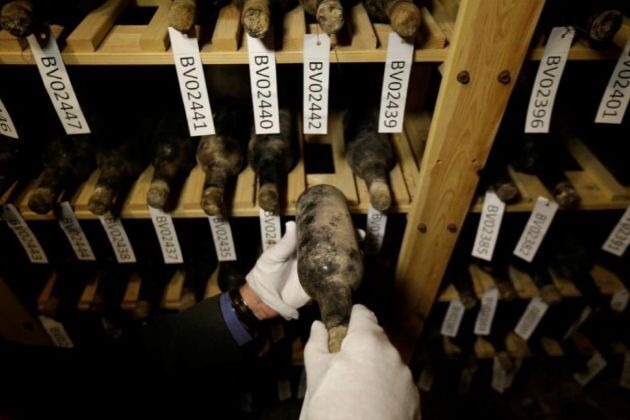
BECOV NAD TEPLOU, Czech Republic: A collection of wine from the late 19th century, which had been hidden for many years under the floor...
Crude prices surge on Hormuz blockade concerns and tensions

NEW YORK CITY, New York: Oil prices surged by about $5 a barrel on June 1 as fears of further disruptions to global energy supplies...
Ireland set to push ahead with bill to send defense forces abroad

DUBLIN, Ireland: The Government plans to move ahead with proposals to remove the triple lock system that controls overseas deployment...
Meta employee monitoring project sparks GDPR concerns

NEW YORK CITY, New York: Meta's effort to train artificial intelligence systems using detailed records of employee computer activity...
Storm Jangmi hit Japan; train, air travel, and power lines affected

TOKYO, Japan: Severe tropical storm Jangmi hit Japan on June 3, bringing strong winds and heavy rain that disrupted transport and businesses...
Belfast court jails man for 31 years over murder of girlfriend

BELFAST, Northern Ireland: A man who pretended to be live-streaming a video game on YouTube to create an alibi while he killed his...
Women, the worst casualties in Sudan’s ongoing war, UN says

KHARTOUM, Sudan: The United Nations says sexual violence has become one of the main features of the war in Sudan, which is now in its...
El Niño could raise temperatures to extreme highs, UN predicts

GENEVA, Switzerland: The United Nations weather agency said on June 2 that a moderate or possibly strong El Niño could develop, which...
Moderna among groups funded to fight Ebola outbreak
GENEVA, Switzerland: Global health organization CEPI has committed roughly $60 million to accelerate the development of vaccines against...
Hungary's PM warns of legal action if president does not resign
BUDAPEST, Hungary: Hungarian Prime Minister Peter Magyar said on June 1, after meeting President Tamas Sulyok, that if the president...
